The Origins of Biltong
It was the Dutch who first introduced what we now know as biltong in the 17th Century when they brought with them their own recipes and methods of preparing dried meat The actual word Biltong is derived from two words, 'bill' meaning rump, and 'tong' meaning strip.
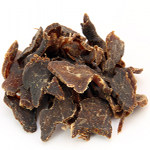
The preparation of biltong starts with the meat. Usually biltong is made from beef, but can also be made from venison, ostrich, chicken, or even fish. Once the meat has then been chosen, it is then marinated in balsamic or cider vinegar for a few hours before being mixed with a blend of spices, rock salt, black pepper, coriander, and brown sugar. Once fully marinated and prepared, biltong is then dried and ready for consumption. the original ingredients were readily available and so made the making the process of making biltong that much easier as this allowed biltong to made while out in the bushes of South Africa .
Due to the large population of South Africans here in the UK, biltong is now increasingly easy to get a hold of. There are many different types of biltong as well as flavors. Peri-peri is a common (and very popular one), others include cheese biltong, mixed pepper biltong, and Chili bites. The texture of the biltong is also important; some like the meat very “rare” (red and a little Bloody!) while others like it very dry, some like to have fat on their biltong while others prefer a lean cut. Most good butchers’ will cater for all these different tastes.
